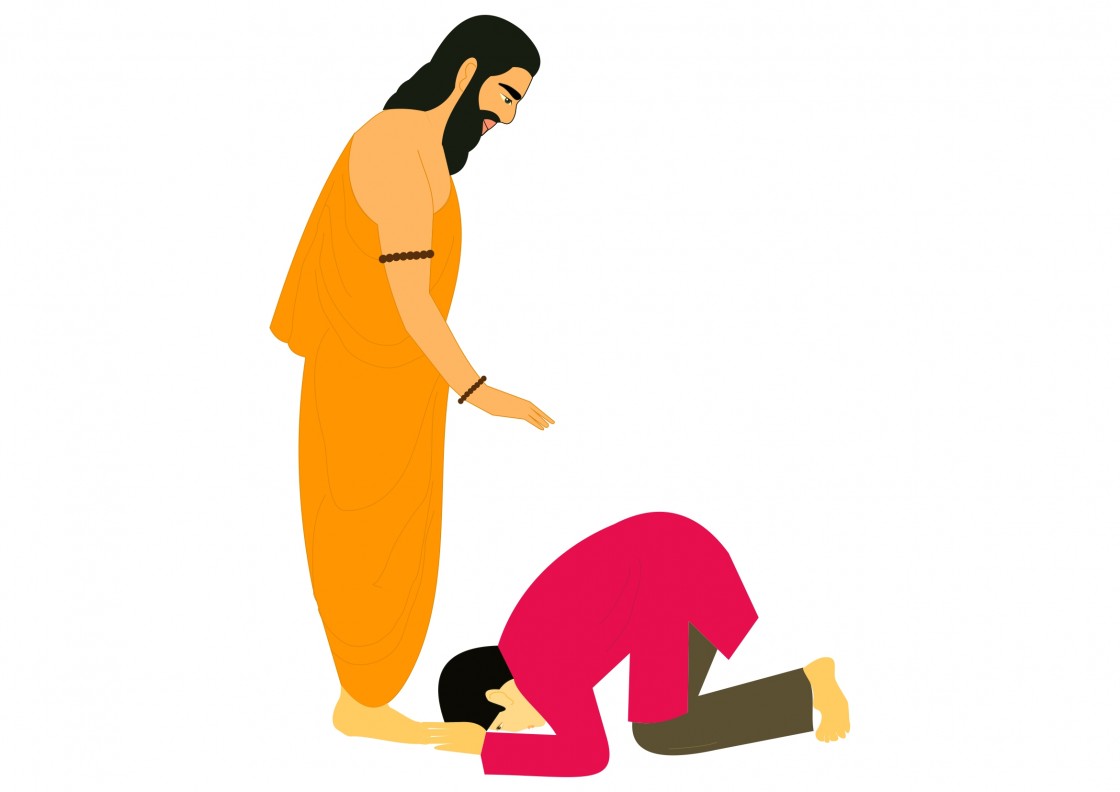
From childhood, we are taught to bow before our elders, touch their feet, and seek their blessings. It is a tradition deeply rooted in our culture—a gesture of humility, gratitude, and respect. We are told that the blessings of elders carry divine grace, that they pave the way for prosperity and protect us from hardships.
But over time, a question began to occupy my thoughts.
Are blessings meaningful simply because they come from someone older? Or do blessings derive their strength from the life that person has lived?
Age and wisdom are often mistaken for one another. Growing older is inevitable; growing wiser is a choice. Not every elder has walked a path worth following. Some lives are built on compassion, integrity, sacrifice, and selflessness. Others may be marked by dishonesty, arrogance, or selfish pursuits. If a person’s deeds have caused pain rather than hope, can their blessings truly be considered auspicious?
Perhaps the power of a blessing lies not merely in spoken words but in the life behind those words.
A blessing from someone who has stood for truth despite adversity carries a different weight. A blessing from a person who has spent their life uplifting others, choosing kindness over cruelty, and leaving the world a little better than they found it feels genuine. Their words are not empty rituals—they are an extension of the values they have lived by.
After all, what is a blessing if not a silent wish that another person experiences the goodness you have cultivated within yourself?
Respect for elders should never disappear. Every individual deserves dignity simply for being human. But reverence is something different from respect. Reverence is earned through character, not chronology. It is earned by actions that inspire others, by principles that withstand temptation, and by a life that becomes an example rather than merely a story.
We often inherit traditions without questioning their essence. Yet traditions remain meaningful only when we understand the values they were created to preserve. The purpose of seeking blessings was never simply to acknowledge age—it was to seek guidance from those whose lives reflected wisdom.
Perhaps we should seek blessings not because someone has lived longer, but because they have lived better.
The footprints we choose to follow determine the destination we reach. Therefore, before seeking someone’s blessings, perhaps we should first ask ourselves a simpler question:
Would I be proud to live the life they have lived?
If the answer is yes, then their blessing is not just a tradition—it becomes a legacy passed from one life to another.