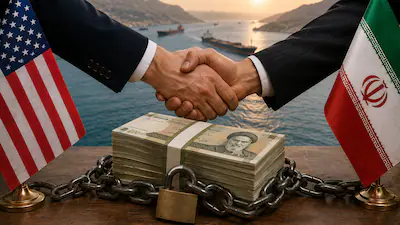
A Potential Turning Point in Global Energy and Geopolitics
Iran has indicated that the United States could release nearly $12 billion of Iranian funds currently frozen overseas if Washington proceeds with easing certain oil-related sanctions. While the headline may appear straightforward, the implications extend far beyond Iran’s economy. The development has the potential to influence global oil markets, regional diplomacy, inflation trends, and even the strategic balance of power in the Middle East.
What Are Iran’s Frozen Funds?
For years, billions of dollars generated from Iranian oil exports have remained inaccessible due to U.S. sanctions imposed on Tehran. These funds are largely held in foreign banks across countries that imported Iranian crude before sanctions tightened.
Although the money legally belongs to Iran, sanctions have prevented unrestricted access, effectively freezing a significant portion of the country’s foreign reserves.
Why Does Waiving Oil Sanctions Matter?
Oil sanctions target Iran’s ability to export crude oil and receive payment through the international financial system. If the U.S. grants waivers or relaxes restrictions:
- Iran could increase its oil exports significantly.
- Frozen revenues could gradually become accessible.
- Foreign buyers would gain greater confidence in purchasing Iranian crude.
- Global oil supply could increase, helping stabilize prices.
In simple terms, sanctions relief does not merely release money—it reopens economic arteries that have been blocked for years.
The $12 Billion Question
The reported $12 billion represents more than a financial windfall. For Iran, it means:
✔ Strengthening foreign exchange reserves
✔ Supporting domestic economic recovery
✔ Stabilizing the Iranian currency
✔ Financing infrastructure and development projects
✔ Improving import capacity for critical goods
For investors and policymakers, the figure signals a possible shift in Washington’s approach toward Tehran.
Impact on Global Oil Markets
Iran possesses some of the world’s largest proven oil reserves. Any increase in Iranian exports can influence global energy dynamics.
A larger Iranian supply could:
- Reduce upward pressure on crude prices.
- Increase competition among major oil exporters.
- Affect production strategies of OPEC members.
- Provide relief to energy-importing nations struggling with inflation.
Energy traders will closely monitor any formal sanctions waiver because even modest
changes in supply can move international oil benchmarks.
The Geopolitical Dimension
The issue is not purely economic.
The release of frozen funds is closely linked to broader diplomatic negotiations involving regional security, nuclear concerns, and Middle Eastern stability.
Supporters argue that economic engagement can create incentives for dialogue.
Critics fear that additional financial resources could strengthen Iran’s regional influence and alter existing power equations.
This is why every discussion involving sanctions relief becomes a complex mix of economics, diplomacy, and national security.
What Investors Should Watch
Several indicators will determine whether this proposal moves from rhetoric to reality:
- Official U.S. policy announcements.
- Changes in sanctions waiver frameworks.
- Iranian oil export volumes.
- OPEC responses.
- Crude oil price movements.
- Regional diplomatic developments.
Any concrete agreement could have ripple effects across energy, shipping, banking, and commodity markets.